

Visitors may sometimes confuse the name, but the correct spelling is Cu Chi Tunnels. In Vietnamese, it is pronounced as “Củ Chi.”
Why is it Called Cu Chi?
The name Cu Chi comes from the district of the same name, located 40 km northwest of Ho Chi Minh City.
Historically, Cu Chi belonged to Binh Duong District, Tan Binh, Phien An during the Nguyen Dynasty. In 1836, Cu Chi became part of Binh Duong District, Gia Dinh Province. Later, in 1956, it was designated as a separate district of Binh Duong Province.
In 1963, South Vietnam established Hai Nghia Province, splitting Cu Chi into two parts:
- One half remained Cu Chi and became part of Hai Nghia Province.
- The other half was merged with Phu Hoa, Binh Duong Province.
After 1975, these two parts were reunited, forming the Cu Chi District of Ho Chi Minh City. The name “Cu Chi” is believed to originate from the local plant Strychnos, which grows abundantly in the area. Its seeds were traditionally used as a local remedy.
Cu Chi Tunnels – A Famous War Memorial and Tourist Attraction
The Cu Chi Tunnels, stretching 75 miles (121 km), have been preserved by the Vietnamese government and transformed into a war memorial park. The tunnels are now a popular tourist attraction, with two main sites open to visitors:
- Ben Duoc – Contains part of the original tunnel system.
- Ben Dinh – Features reconstructed tunnels, some of which have been expanded for tourists.
Both sites offer visitors a chance to crawl through sections of the tunnels, experience the underground environment, and learn about the guerrilla warfare tactics used during the war. To enhance accessibility, low-power lighting has been installed in the tunnels, and displays showcase various booby traps used during the conflict.
A Testament to Vietnamese Resilience
The tunnels were originally dug with simple tools and bare hands during the French occupation in the 1940s. They were later expanded in the 1960s during the Vietnam War, serving as a refuge and a strategic advantage against American forces.
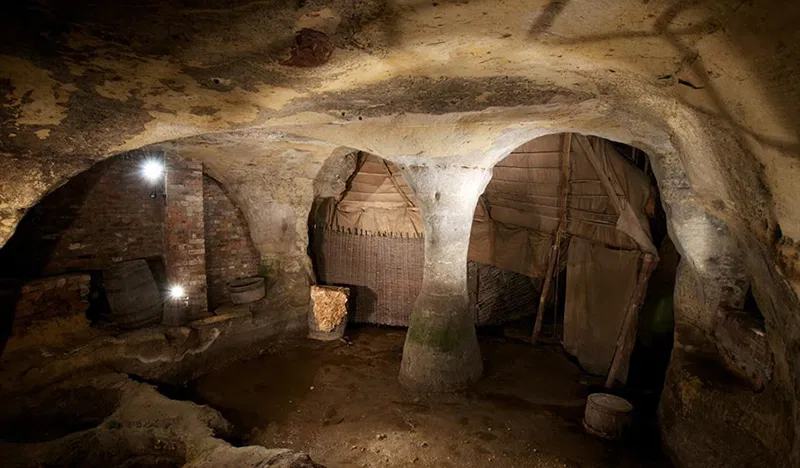
Despite relentless bombings, the people of Cu Chi managed to survive underground. Within the tunnels, they slept, ate, planned military operations, healed the wounded, and educated their children. Some even got married and gave birth underground, though tragically, over 10,000 people lost their lives in these tunnels.
Today, the Cu Chi Tunnels stand as a symbol of resilience and ingenuity, offering visitors a glimpse into Vietnam’s history and the incredible endurance of its people.