
The beginning of the year is an ideal time for spiritual and religious tourism. Here are nine stunning pagodas in Hoi An that you should visit on your trip!
Chua Cau (Japanese Covered Bridge Pagoda)
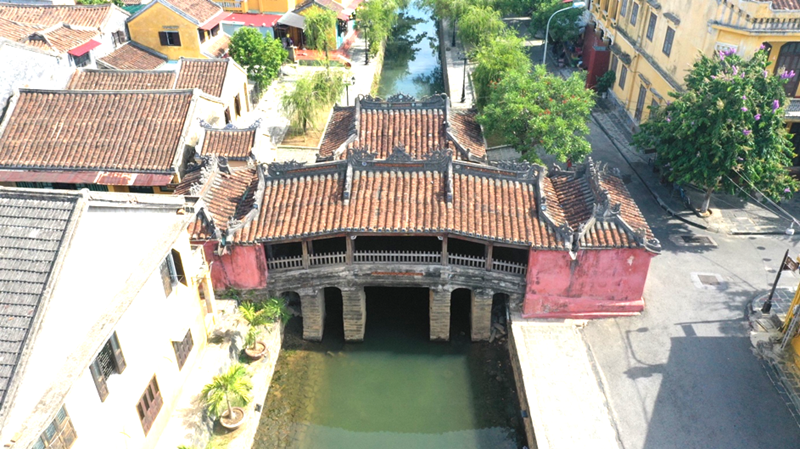
Chua Cau, also known as the Japanese Covered Bridge, is an iconic cultural and historical symbol of Hoi An Ancient Town. Gracefully spanning a small canal connecting both sides of the Thu Bon River, this bridge was built in the 17th century by Japanese merchants. Its architecture reflects a harmonious blend of Japanese, Vietnamese, and Chinese influences, featuring a tiled roof, intricate carvings, and meaningful Han script couplets. More than just a famous tourist attraction, Chua Cau is a sacred site where locals place their spiritual faith. It remains an enduring symbol in the hearts of visitors from around the world.
Location: Minh An Ward, Hoi An
Chua Ong (Quan Cong Temple)
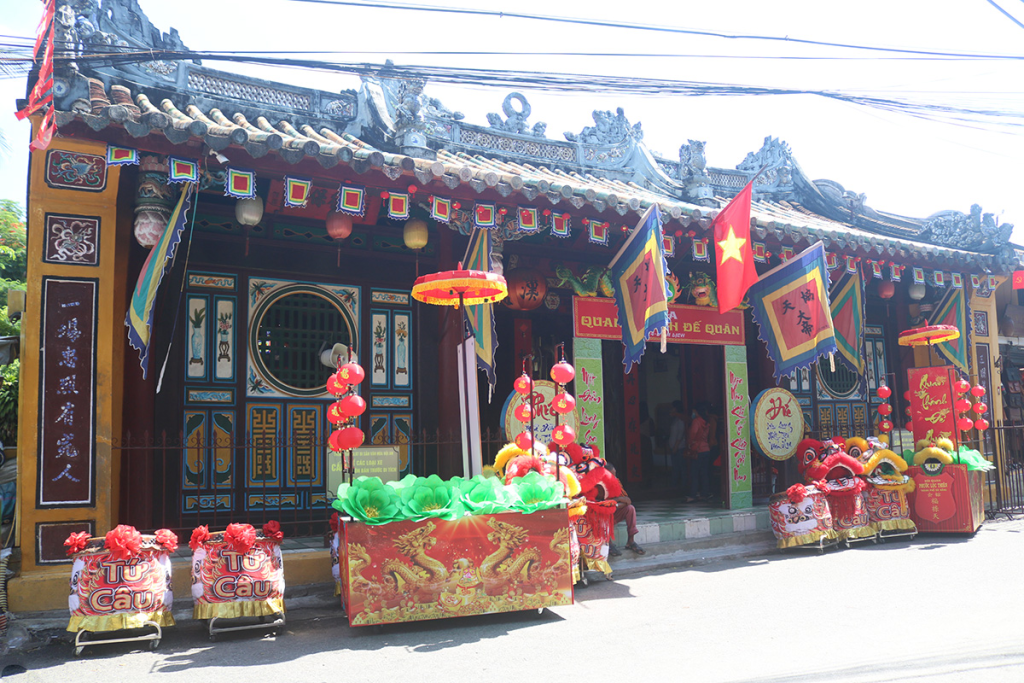
Chua Ong, also known as Quan Cong Temple, is a historic and culturally rich structure located in the heart of Hoi An. Built in the 17th century, the temple is dedicated to Quan Vu (Guan Yu), a legendary general known for his loyalty and valor. Showcasing distinctive Chinese architecture, Chua Ong features curved tile roofs, finely carved wooden details, and a solemn yet grand atmosphere.
Location: 24 Tran Phu Street, Hoi An
Chua Phuc Kien (Fukian Assembly Hall)
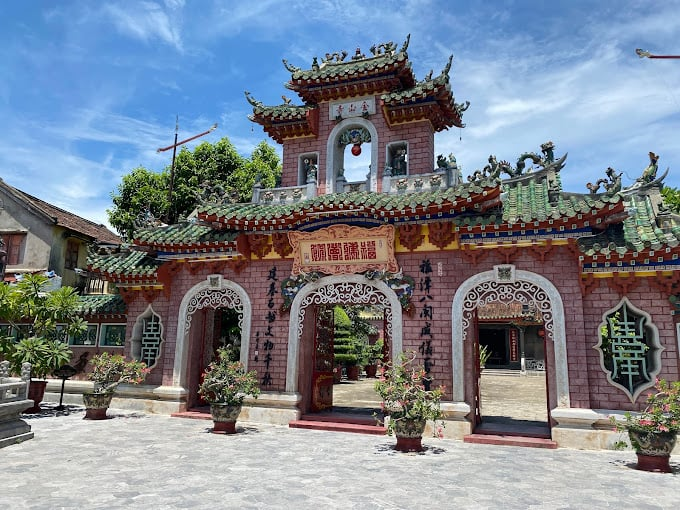
Originally built in the 17th century by the Fujian Chinese community, Chua Phuc Kien (Fukian Assembly Hall) is a magnificent example of traditional Chinese temple architecture. The hall stands out with its majestic three-entrance gate, exquisite relief carvings, and gracefully curved roofs. Inside, the temple honors Thien Hau Thanh Mau, the goddess who protects fishermen and merchants at sea. This site serves as both a place of worship for the Chinese community and a captivating tourist destination.
Location: 46 Tran Phu Street, Hoi An
Chua Phap Bao
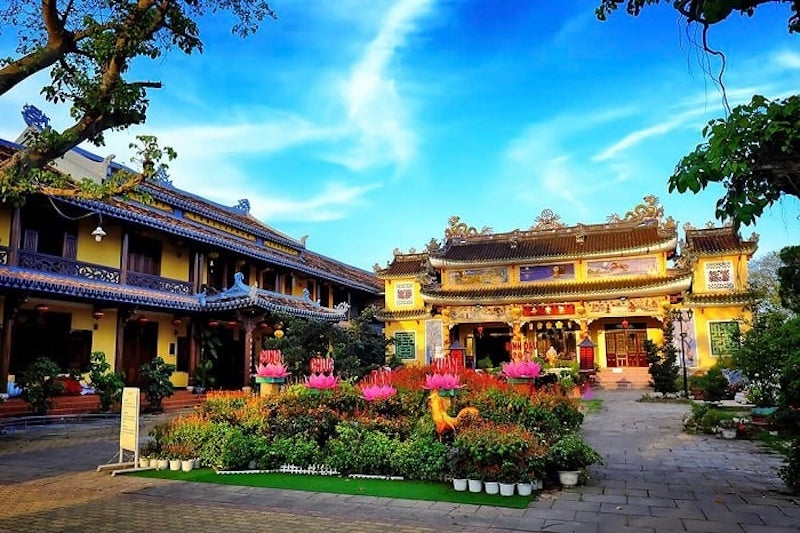
Chua Phap Bao is a serene and picturesque pagoda in Hoi An, surrounded by lush greenery. Its open architectural style seamlessly integrates with nature, creating a peaceful and harmonious atmosphere. The pagoda regularly hosts Buddhist festivals and cultural events, offering visitors a deeper insight into spiritual traditions.
Location: 7 Hai Ba Trung, Tam Quan, Hoi An
Chua Ba Mu (Ba Mu Pagoda)
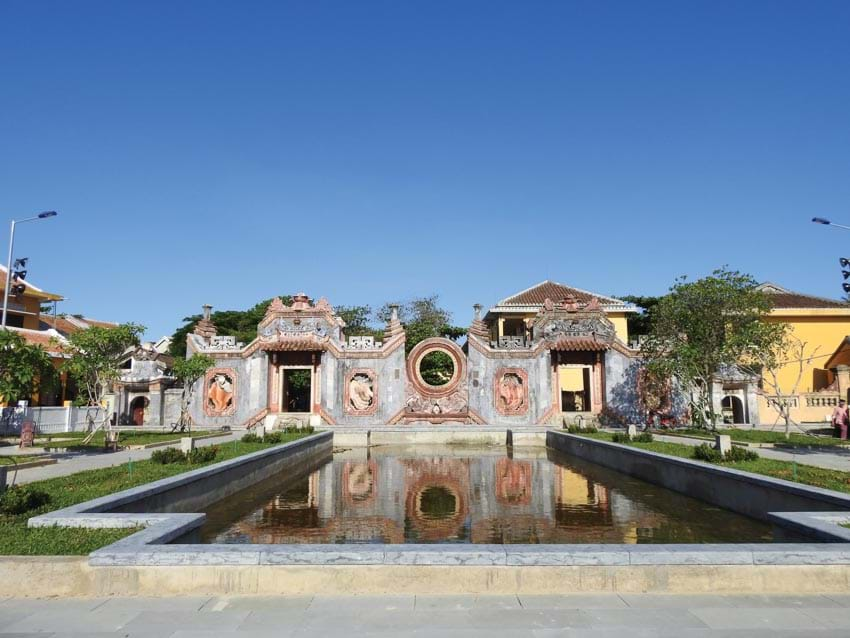
Chua Ba Mu, originally part of the Cung Cam Ha and Cung Hai Binh religious complexes, was built by the Minh Huong and Chinese communities in Hoi An. Over time, much of the structure has deteriorated, leaving only its iconic triple-arched gate. Despite this, Chua Ba Mu remains a popular photography and check-in spot for visitors, thanks to its nostalgic charm and historical significance.
Location: 675 Hai Ba Trung, Hoi An
Chua Vien Giac
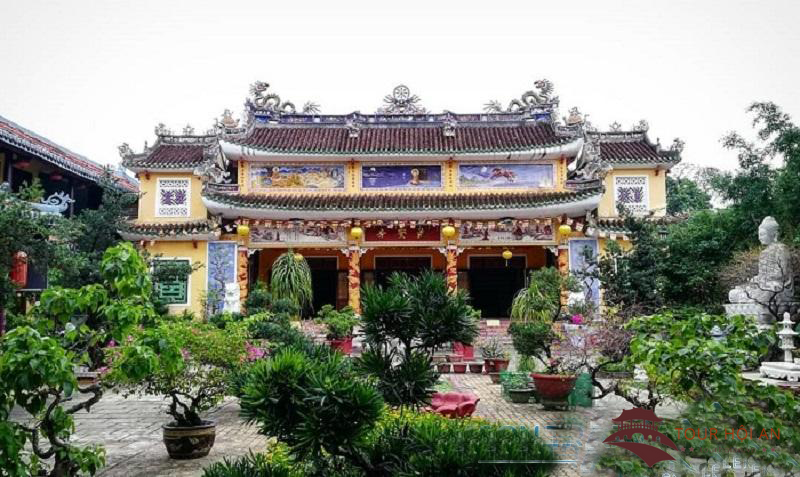
Previously known as Chua Cam Ly, Chua Vien Giac was relocated to its current site in 1841 and has undergone several restorations. This pagoda features the distinct style of a traditional Vietnamese village temple, complete with an ancient banyan tree, a grand entrance gate, and a three-section main hall. The roof is covered with yin-yang tiles, while the intricately carved wooden beams highlight its historical value. Recognized as a national cultural heritage site in 1991, Chua Vien Giac holds great spiritual and historical significance.
Location: 52 Hung Vuong Street, Hoi An
Chua Hai Tang
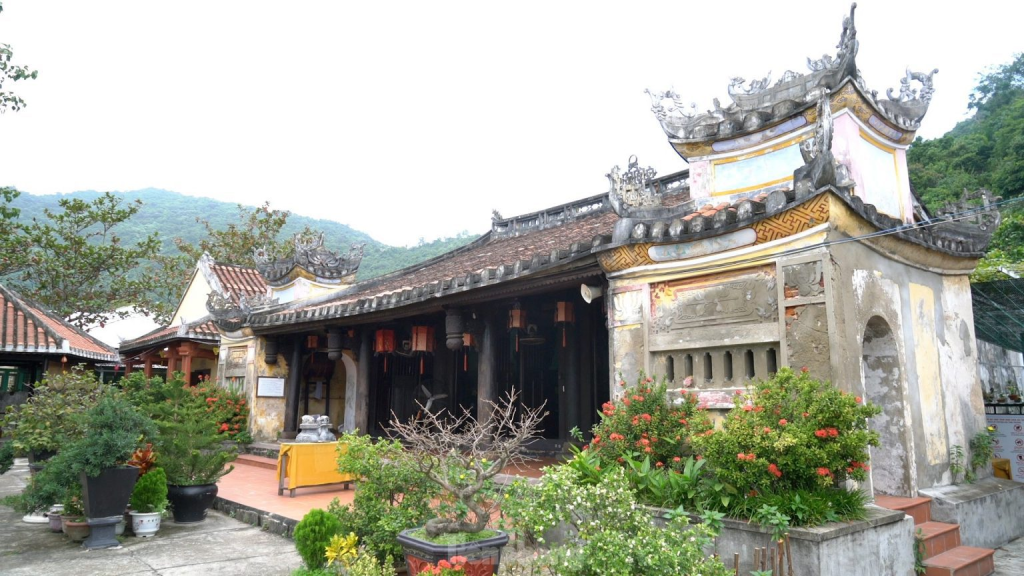
Chua Hai Tang is a well-known temple in Quang Nam Province, dedicated to both Buddhist worship and local deities. Originally founded in 1758 by Zen Master Huong Hai, it started as a small shrine before being expanded by later disciples. Due to storm damage, the temple was relocated to its current location in 1848. Nestled on Cham Island, Chua Hai Tang offers a tranquil escape with its pristine natural surroundings and spiritual ambiance.
Location: Cham Island, Hoi An
Chua Chuc Thanh
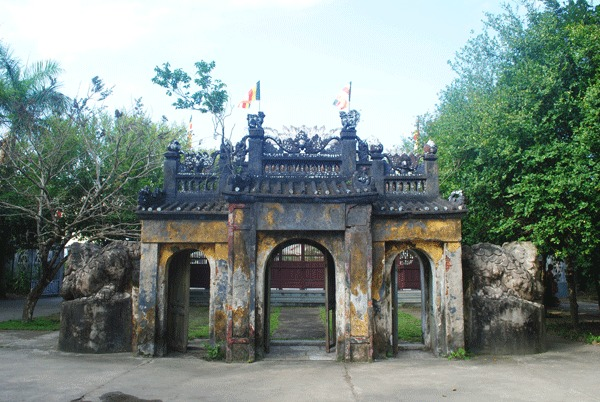
Hidden within a lush and peaceful garden, Chua Chuc Thanh is an ancient temple steeped in history. Built in the traditional “Tien Cong, Hau Quoc” style, the pagoda seamlessly blends classical and modern architectural elements. The main sanctuary houses statues of the Three Buddhas, Maitreya, and the Eighteen Arhats, while the front courtyard features a revered statue of Avalokiteshvara Bodhisattva. With its centuries-old heritage, Chua Chuc Thanh remains a vital cultural and spiritual landmark in Hoi An.
Location: Zone 7, Tan An Ward, Hoi An
Chua Phuoc Lam
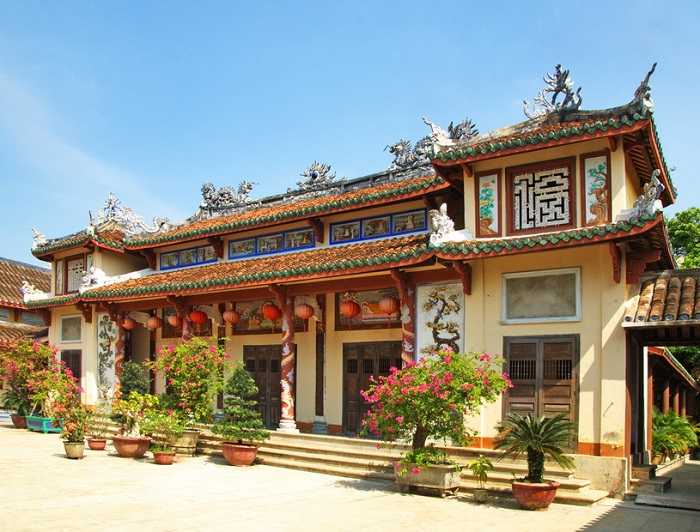
Constructed in the mid-18th century, Chua Phuoc Lam showcases classic East Asian temple architecture. Designed in the “Mon” character style, this sacred site has preserved its ancient and tranquil charm over the centuries. Even today, this 200-year-old pagoda continues to be a revered pilgrimage destination, attracting Buddhist devotees and visitors seeking peace and enlightenment.
Location: Le Hong Phong Street, Hoi An