
Located in Tuc Mac Village, the ancestral land of the Tran Dynasty, Pho Minh Pagoda (Chùa Phổ Minh) is a treasured architectural and spiritual landmark in Nam Dinh. With its iconic Pho Minh Tower and deep ties to Vietnam’s heroic past, the pagoda is an essential stop for history lovers and pilgrims alike.
Travel to Nam Dinh with HaNoiTravelBug
A Sacred Site of the Tran Kings
Pho Minh Pagoda, also known as Pho Minh Tower Pagoda, stands proudly in the hometown of the Tran Dynasty. It is one of the most important cultural and religious relics in Vietnam. Originally built during the Ly Dynasty, the temple gained prominence in 1262 during the Tran era, alongside the royal palaces in Thien Truong, when it was expanded and further adorned.
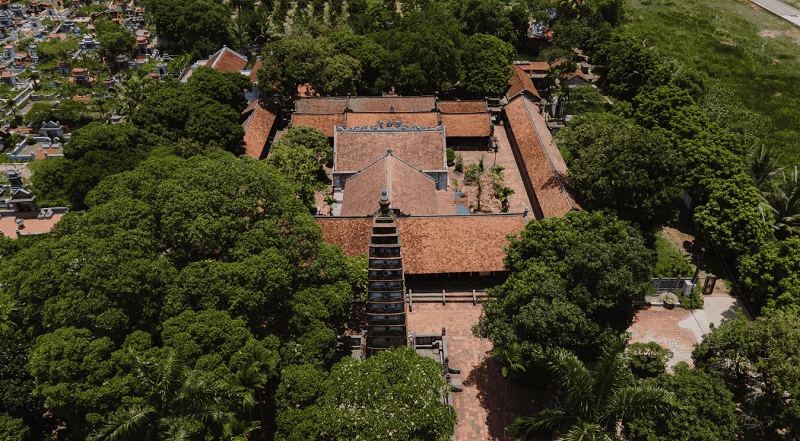
Pho Minh Tower is not just a spiritual structure — it represents the “Dong A spirit”, a symbol of national pride tied to the Tran royal lineage and their military victories.
Tower of Legends and National Pride
According to historical records, Emperor Tran Nhan Tong renovated the pagoda and resided there after abdicating to become a monk. His son, Emperor Tran Anh Tong, later built the 14-story Pho Minh Tower, standing 19.51 meters tall and composed of intricately layered stone structures with 13 levels above a square pedestal.
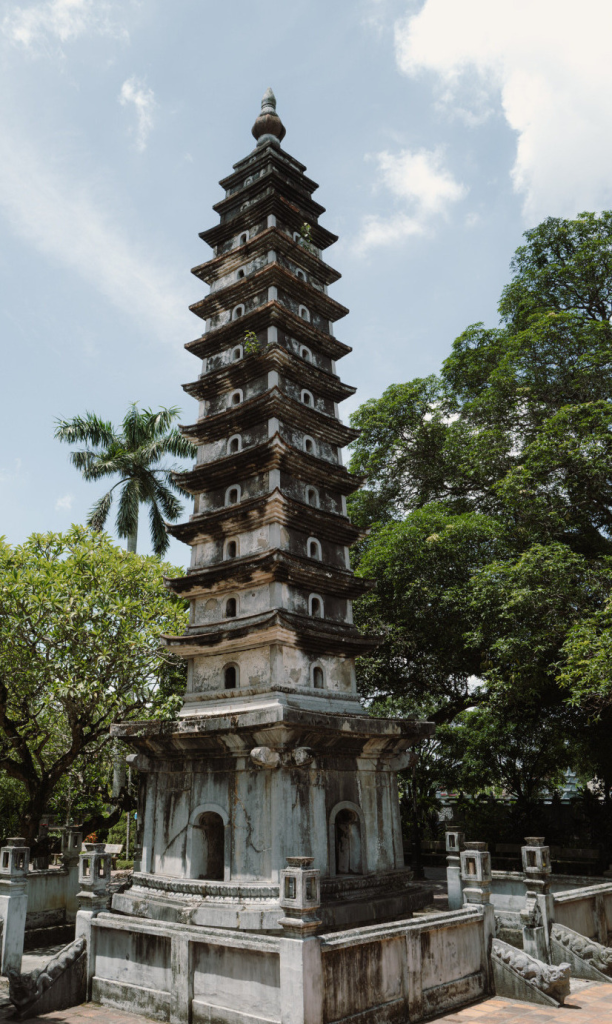
During the Tay Son period, local officials attempted to dismantle the tower to retrieve its bronze top. However, upon reaching the 13th level, a mysterious red ribbon-like object reportedly flew into the sky, halting the destruction. This legend only deepens the spiritual aura surrounding the tower.
A Temple of Historical and Artistic Value
Despite centuries of war and weather, Pho Minh Tower remains nearly intact, maintaining its historical integrity and architectural grandeur. The pagoda’s layout still preserves the traditional “Noi cong, ngoai quoc” design — a symbolic structure resembling the Chinese characters for “inner” and “outer” formations.
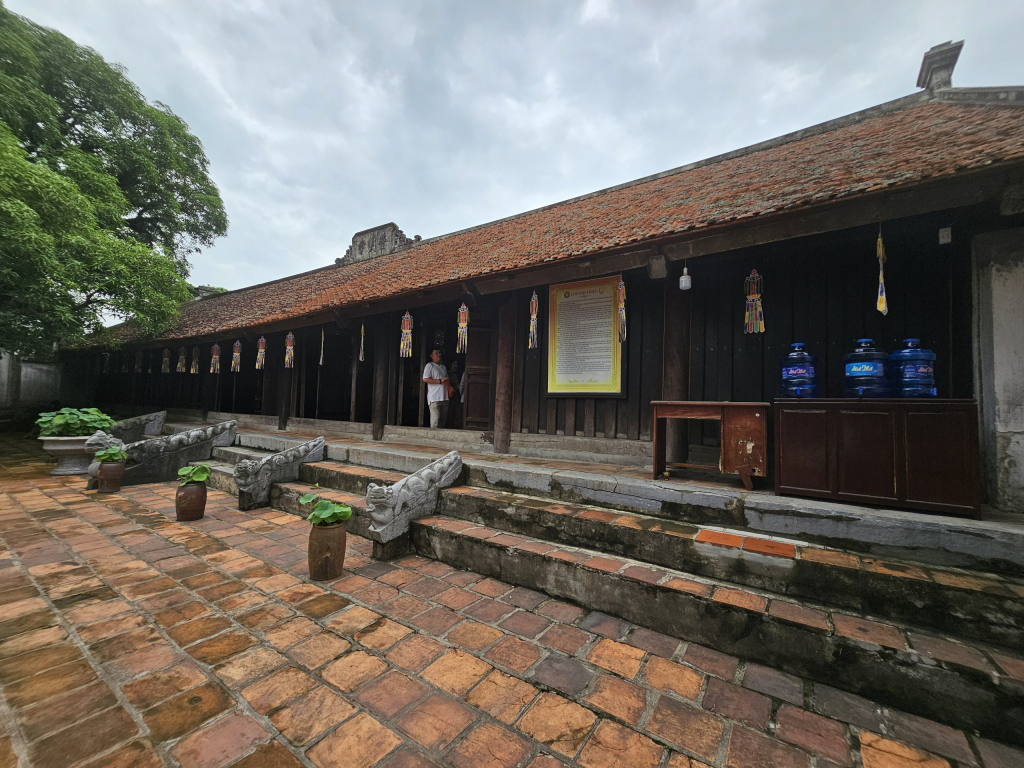
The pagoda complex includes:
- Tam Quan Gate
- Tien Duong (Front Hall)
- Thieu Huong (Incense Hall)
- Thuong Dien (Main Sanctuary)
- Pho Minh Tower
- Ancestral Houses, Mother Goddess Shrine, and Monk Quarters
Sacred Statues and Cultural Relics
The pagoda’s interior features numerous ancient Buddha and Bodhisattva statues, alongside the Truc Lam Tam To (Three Patriarchs of the Truc Lam Zen sect). These statues — crafted from wood, lacquered in red, and gilded with gold — are over 300 years old and were officially recognized as National Treasures on January 30, 2023.

Notable figures include:
- Tran Nhan Tong in Nirvana
- Zen Master Phap Hoa
- Zen Master Huyen Quang
Behind the main hall, a narrow courtyard leads to an 11-bay structure in the shape of the Chinese character “Nhất” (一), connecting to the “Quốc” (國) layout — a rare architectural detail preserved only in temples of royal significance.
Within this area stands a statue of Princess Mac Ngoc Lam, a royal who once took refuge and later became a nun here. Her white stone statue seated on a lotus throne embodies both spiritual dedication and historical reverence.
The great bronze bell, cast in 1796 (Canh Thinh era), also remains intact with the inscription “Pho Minh Dinh Tu.”
A National Treasure and Spiritual Haven
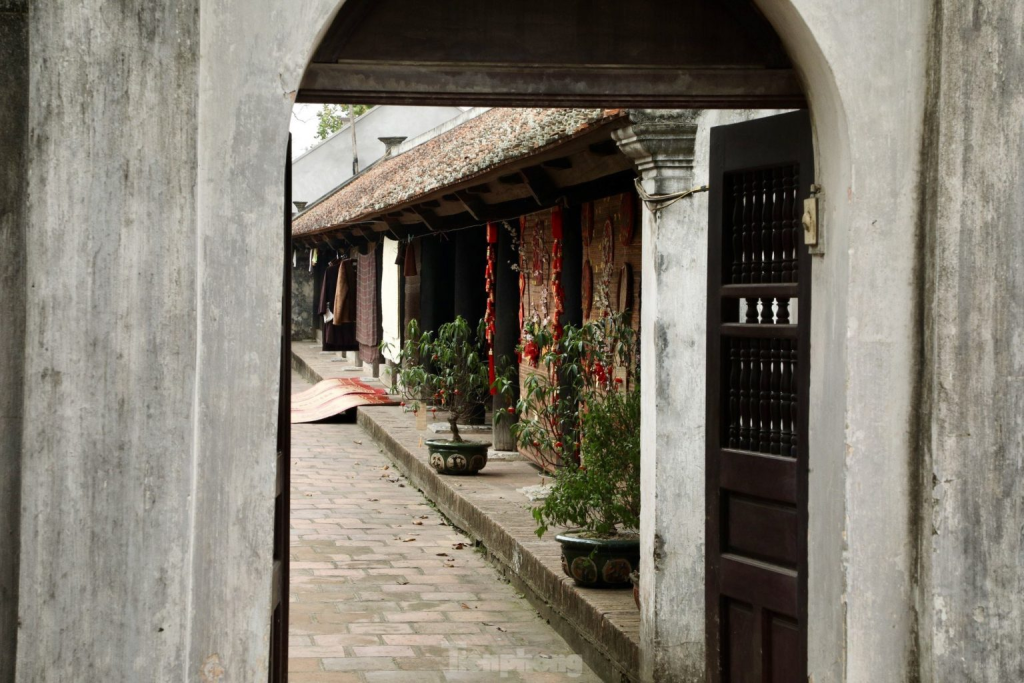
Recognized in 2012 as a Special National Monument by the Vietnamese government, Pho Minh Pagoda is a sanctuary of art, culture, faith, and memory. During holidays and spiritual festivals, pilgrims and tourists alike gather here to pay respects to ancestors and honor the legacy of the Tran kings.
Journey Through Vietnam’s Royal Heritage with HaNoiTravelBug
Whether you’re a history buff, architecture enthusiast, or spiritual traveler, Pho Minh Pagoda offers a profound connection to Vietnam’s majestic past. Let HaNoiTravelBug guide you to this sacred destination and explore the rich cultural soul of Nam Dinh.